

The Invisible Decline: Why Your Bone Health Is the Most Important Metric You’re Not Tracking
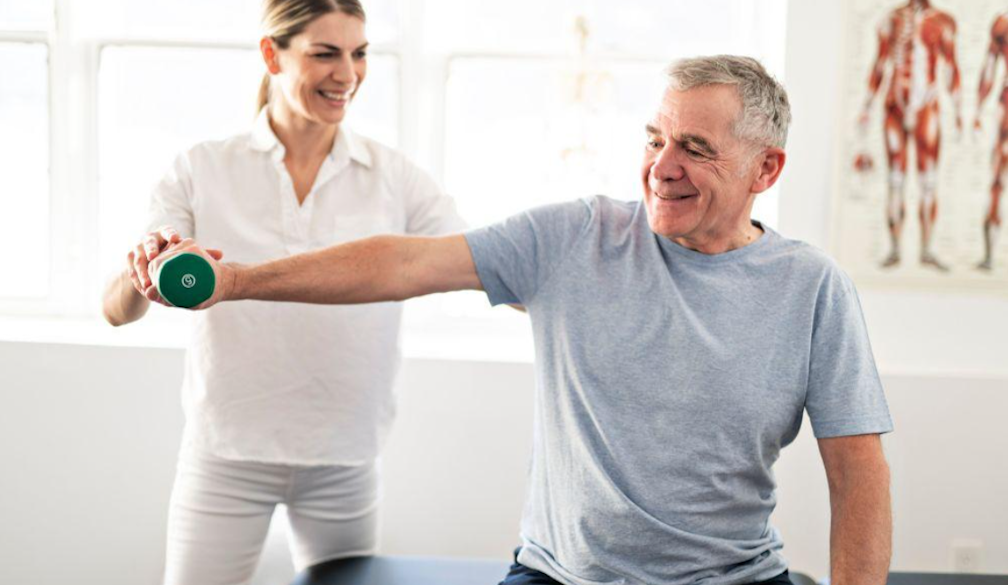
You monitor your weight. You track your steps. You read food labels and swap soft drinks for sparkling water. But there’s one critical area of health that often goes unnoticed, until it’s too late.
Bone density.
Unlike fitness or fat loss, declining bone strength gives you no warning signs. You can’t feel it happening. You can’t see it in the mirror. And by the time most women learn their bone health is compromised, it’s after a fall, fracture or painful recovery.
But it doesn’t have to be this way.
Modern science has made it possible not only to slow bone loss, but to actively build bone strength, even into your 60s and 70s. The key is knowing what works, what doesn’t, and how to apply it to your body safely.
Why Bone Health Matters More Than You Think
Osteoporosis is often thought of as a distant risk, something that happens “later.” But the reality is, most women begin to lose bone mass in their early 30s, and the pace accelerates after menopause.
Weak bones don’t just lead to fractures. They reduce mobility, create postural issues, and contribute to falls that result in long-term complications.
- One in three women over 50 will suffer an osteoporotic fracture
- Hip fractures have a 20% one-year mortality rate in older adults
- Recovery is slow and often incomplete, impacting independence and confidence
The good news is that bones respond to loading, just like muscles. You just need the right kind of stress to stimulate new growth.
Introducing the Onero Bone Health Program
If you’ve been told to “lift weights” for bone health but weren’t sure where to start, you’re not alone. Most gyms and group fitness classes aren’t built around the science of bone loading.
The Onero bone health program in Sydney changes that. Developed from clinical research and delivered by SSEP, Sydney’s leading exercise physiology clinic with 9 Sydney locations, Onero is a targeted program specifically designed to stimulate bone growth using proven, evidence-based methods.
Key components of Onero include:
- High-impact exercises that encourage bone regeneration
- Resistance training focused on key fracture sites such as spine, hips and wrists
- Postural and balance work to reduce fall risk
Unlike generic fitness routines, Onero is built entirely around the science of how bones rebuild and strengthen under safe, controlled loading. It’s not about intensity. It’s about precision, consistency and knowing your personal risk profile.
Customised Support with Tailored Exercise Physiology
Not all exercise is created equal, especially when it comes to bone health. That’s why working with an accredited exercise physiologist is so valuable. Tailored Exercise Physiology offers personalised, research-backed programs that focus on building bone safely and effectively — especially for women managing osteopenia or osteoporosis.
Their team conducts thorough assessments to understand your mobility, balance, medical history and current activity level. From there, they design a strength-based program that delivers the right kind of mechanical loading, while reducing the risk of injury.
As Taylor, one of their lead practitioners, explains, “Exercise is the single most effective, drug-free way to protect bone health. But it needs to be carefully structured for your unique body and stage of life.”
Tailored EP’s approach is especially suited for women who want individualised attention, clear progress tracking, and the confidence that they’re doing the right things for long-term strength and stability.
While other providers like SSEP also offer excellent, clinically supervised programs such as Onero, the key is finding the right team and environment that suits your needs and goals, and sticking with it.
Why Generic Workouts Can Fall Short
Too many women attempt to improve their bone health by joining group fitness classes, lifting light weights at home, or doing bodyweight exercises with no supervision. While these activities may support general health, they often fail to deliver the mechanical loading required to stimulate bone growth.
In fact, poorly structured programs can increase the risk of injury, especially to the spine and hips. That’s why programs like Onero, delivered through a clinical setting, and professionals like those at Tailored Exercise Physiology, offer a smarter, safer path.
The Long-Term Benefits of Strong Bones
Improving bone density isn’t just about avoiding a future fracture. It improves posture, enhances balance, and increases your overall strength and stability.
Benefits include:
- Greater confidence when walking, climbing stairs or exercising
- Reduced fear of falling as you age
- Improved coordination and balance
- Better sleep, thanks to improved activity levels
- Reduced reliance on medications or supplements
Most importantly, you gain peace of mind. You’re taking action before the problem becomes visible. You’re strengthening your future, one step at a time.
Who Should Start?
If you are:
- Over 40 and haven’t had a bone scan
- Post-menopausal and unsure of your bone strength
- Living with a family history of osteoporosis
- Recovering from a fracture or injury
- Wanting to stay active, mobile and independent for decades to come
Now is the time to act.
Final Thoughts: Strength Starts with Structure
You wouldn’t build a house on soft soil. So why ignore the foundation of your health?
Focusing on bone strength today gives you the freedom to move without fear tomorrow. The Onero program, delivered by SSEP, provides a scientifically backed, clinically supervised approach to improving bone density. And whether you choose SSEP or work with a team like Tailored Exercise Physiology, the key is having expert support to design a program that matches your individual needs, goals and medical history.
Because that’s how you age backwards. By strengthening what holds you up, one lift, one step, and one strong choice at a time.


