

Why Early Communication Assessments Are Important for Development
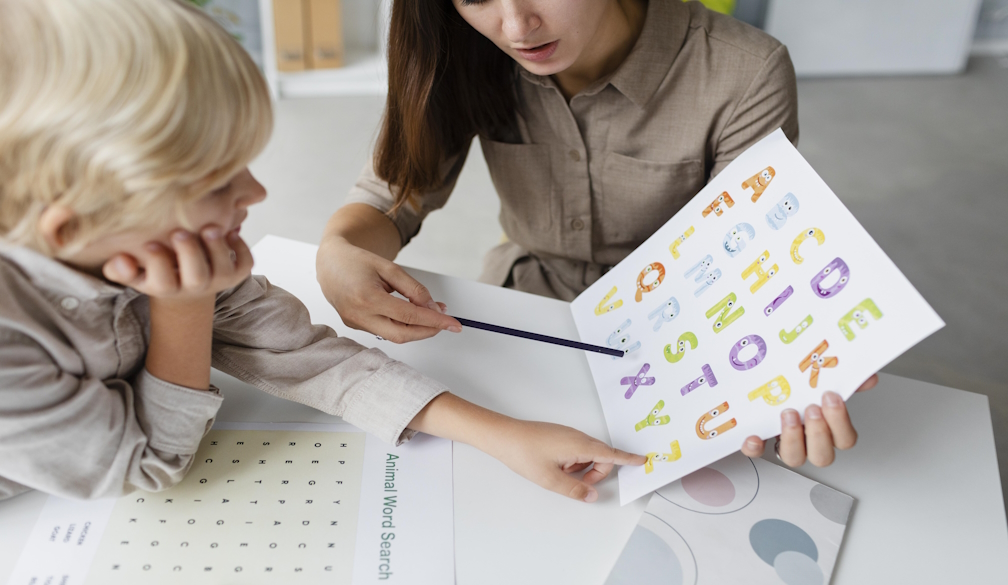
Early intervention is a phrase frequently used by educators and developmental specialists, yet its practical value lies in the specific data gathered during an initial evaluation. For a child, the ability to communicate is the foundation upon which all other learning—social, emotional, and academic—is built.
A professional speech assessment acts as a baseline, identifying whether a child is meeting expected milestones or if they require targeted support to bridge specific gaps in their communication toolkit.
1. Identifying the "Building Blocks" of Language
Communication is a multi-layered process that involves more than just the ability to say words clearly. A comprehensive assessment breaks down a child's skills into distinct categories to see where the breakdown might be occurring:
- Receptive Language: How well the child understands what is being said to them. This includes following directions and identifying objects.
- Expressive Language: The child’s ability to use words, gestures, and sentences to convey their thoughts, needs, and feelings.
- Pragmatic Language: The social rules of communication, such as taking turns in a conversation or understanding non-verbal cues.
By identifying which specific "block" needs strengthening, specialists can create a roadmap that is unique to the child's profile, rather than using a generic approach.
2. Preventing the "Snowball Effect" in Social Skills
In the early years, play is the primary vehicle for learning. Children use language to negotiate roles in games, share ideas, and resolve conflicts. If a child struggles to express themselves or understand their peers, they may experience frustration or social withdrawal.
Early assessment helps identify these hurdles before they impact a child's self-esteem or their ability to form friendships. When a child is equipped with the right communication strategies, they can engage more fully in social play, which in turn reinforces their language development in a natural, positive cycle.
3. Supporting Literacy and Future Learning
There is a strong connection between early oral language skills and later literacy. The ability to distinguish between sounds (phonological awareness) and the breadth of a child's vocabulary are direct predictors of how easily they will learn to read and write once they start school.
An assessment can flag subtle difficulties with sound processing or vocabulary acquisition years before they manifest as reading challenges. Addressing these early ensures that when the child enters the classroom, they have the linguistic foundation necessary to decode text and comprehend complex instructions.
4. Empowering the Support Network
Perhaps the most significant benefit of an early assessment is the clarity it provides to the people in the child's daily life. Parents, caregivers, and early childhood educators often "sense" that a child is struggling but may not know exactly how to help.
The assessment results provide a common language for the support network. It offers practical, evidence-based strategies that can be integrated into everyday routines—like mealtime or bath time—turning ordinary moments into opportunities for language growth.
5. Differentiating Between Delay and Disorder
Not every child follows the same developmental timeline, and "late talking" can sometimes be a temporary delay. However, a professional assessment is the only way to distinguish between a "late bloomer" and a child with an underlying communication disorder that requires clinical intervention.
By seeking a professional opinion early, families can avoid the "wait and see" approach, which can lead to lost time during the periods of peak brain plasticity.
References
- Speech Pathology Australia: Clinical guidelines on developmental milestones and early intervention.
- Department of Education (Australia): Early Years Learning Framework (EYLF) communication outcomes.
- Standards Australia: AS/NZS ISO 9001:2016 – Quality management systems for healthcare and therapeutic providers.
- Telethon Kids Institute: Research on the impact of early language development on long-term educational outcomes.


