

Exploring the Versatility of Stainless Steel Grades in Modern Industry
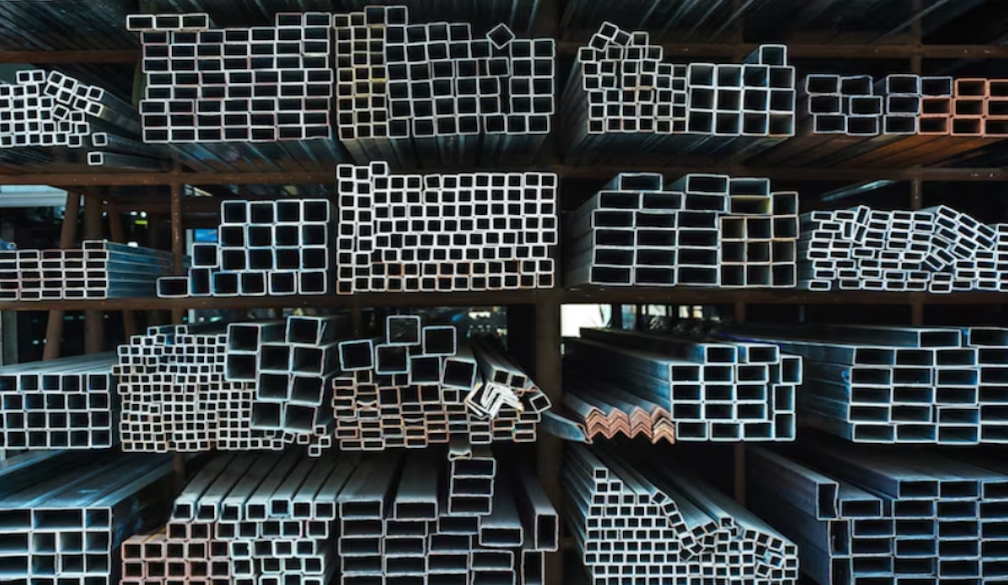
Stainless steel has established itself as one of the most versatile and durable materials in modern industry. Its combination of strength, corrosion resistance, and adaptability makes it indispensable across a wide range of applications. For engineers, architects, and manufacturers, understanding the different grades of stainless steel is essential to selecting the right material for specific projects and environments. Each grade offers unique properties tailored to performance requirements, ensuring efficiency, safety, and longevity.
What Stainless Steel Is and Why It Matters
At its core, stainless steel is an alloy made from iron and carbon, with a minimum of ten and a half per cent chromium content. This chromium is vital because it forms a protective oxide layer on the surface of the steel, preventing rust and corrosion. Different stainless steel grades are developed by adjusting the composition and proportion of these alloying elements to suit specific applications and performance requirements. Beyond chromium, additional alloying elements such as nickel, molybdenum, and nitrogen are often added. Each of these elements improves the steel's properties in different ways. Nickel enhances ductility and formability, molybdenum improves resistance to pitting in harsh environments, and nitrogen increases mechanical strength. This combination of elements allows stainless steel to perform reliably across diverse conditions, from industrial machinery to everyday household items.
The Role of Alloying Elements
Chromium is the key to stainless steel’s corrosion resistance. When the alloy is exposed to oxygen, chromium reacts to form a passive protective layer that shields the metal from environmental damage. Nickel strengthens this barrier and makes the steel easier to shape and weld. Molybdenum is particularly useful in chloride-rich environments, preventing localised corrosion, while nitrogen improves toughness and resistance to cracking. By carefully balancing these elements, manufacturers can create stainless steel grades suited to specific mechanical and environmental demands.
Different Grades of Stainless Steel
Stainless steel is divided into four main categories based on its crystalline structure: austenitic, ferritic, martensitic, and duplex. Each type has unique characteristics that make it suitable for particular applications.
Austenitic Stainless Steel
Austenitic stainless steels are the most widely used category, making up approximately seventy percent of total stainless steel production. They are valued for their excellent corrosion resistance, flexibility, and ease of welding. Common grades such as 304 and 316 are well-known within this category. Grade 304 is versatile, balancing corrosion resistance with mechanical performance, making it suitable for applications ranging from kitchen appliances to architectural features. Grade 316 contains added molybdenum, enhancing its resistance to corrosive environments like marine settings or chemical processing plants. Austenitic steels also maintain their toughness at low temperatures, which is crucial for cryogenic applications.
Ferritic Stainless Steel
Ferritic stainless steels contain a higher proportion of chromium with lower carbon content than austenitic types. They are magnetic and are often chosen for applications that require moderate corrosion resistance combined with affordability. Grades like 430 are commonly used in decorative trim, automotive components, and industrial equipment. Ferritic stainless steels also exhibit good resistance to stress corrosion cracking, making them a practical choice in environments with moderate exposure to corrosive agents.
Martensitic Stainless Steel
Martensitic stainless steels are primarily selected for their high hardness and strength. These steels contain more carbon than other types, which allows them to be heat-treated to achieve superior wear resistance. Common grades such as 410 and 420 are widely used in cutlery, surgical instruments, and high-strength industrial components. While martensitic steels are less corrosion-resistant than austenitic grades, they excel in applications where durability and cutting performance are paramount.
Duplex Stainless Steel
Duplex stainless steels combine the characteristics of austenitic and ferritic grades, featuring a roughly equal mixture of both microstructures. This blend provides both high strength and exceptional corrosion resistance, particularly against stress corrosion cracking. Grade 2205 is a popular duplex alloy, often employed in chemical processing, offshore structures, and oil and gas industries. The combination of toughness and resistance makes duplex steels an ideal choice for demanding industrial environments.
Mechanical and Chemical Properties
Each stainless steel grade offers specific mechanical and chemical properties that influence its application. Austenitic steels are ductile, tough, and maintain strength at low temperatures. Ferritic steels offer moderate strength and good corrosion resistance, especially in alkaline environments. Martensitic steels provide hardness and wear resistance but are more susceptible to corrosion if not properly maintained. Duplex steels offer a balance of high strength and corrosion resistance, making them highly versatile. Understanding these properties allows engineers to select the most suitable grade for structural, mechanical, or environmental requirements.
Applications Across Industries
Stainless steel’s versatility makes it a staple across numerous industries. In construction and architecture, stainless steel is prized for its durability and aesthetic appeal, whether in cladding, handrails, or roofing. The automotive industry uses stainless steel for structural components, exhaust systems, and decorative trim due to its strength-to-weight ratio and corrosion resistance. In the medical field, surgical instruments and implants rely on stainless steel’s sterility, corrosion resistance, and durability. Even the food and beverage industry benefits from stainless steel for equipment that must withstand rigorous cleaning while maintaining hygiene.
Sustainability and Recycling
Stainless steel is a sustainable material choice. It is fully recyclable, and its properties are retained without significant degradation, even after multiple recycling cycles. This reduces the need for extracting virgin materials and aligns with environmentally conscious industrial practices. By incorporating recycled stainless steel into production, industries can reduce their carbon footprint while still achieving high-performance results.
Challenges in Selecting the Right Grade
While stainless steel is highly versatile, choosing the correct grade requires careful consideration of environmental conditions, mechanical requirements, and cost constraints. Selecting an inappropriate grade can lead to premature corrosion, structural failure, or unnecessary expense. Engineers must evaluate factors such as exposure to moisture, chemicals, or high temperatures, along with load-bearing and wear resistance needs, to ensure optimal performance.
Innovations and Future Developments
The stainless steel industry continues to evolve, with new alloy compositions and advanced processing techniques improving performance and expanding applications. Nanotechnology and surface treatment innovations are enhancing corrosion resistance and mechanical strength even further. Research into sustainable production methods and lightweight alloys is opening new possibilities for industries ranging from aerospace to renewable energy. These advancements ensure stainless steel remains relevant as industrial requirements and environmental standards evolve.
Conclusion
Understanding the range of stainless steel grades and their unique properties is essential for effective material selection in modern industry. From austenitic to duplex types, each grade offers specific advantages tailored to mechanical, chemical, and environmental needs. Stainless steel’s durability, corrosion resistance, and recyclability make it a reliable choice across construction, automotive, medical, and manufacturing sectors.
By exploring the characteristics, applications, and innovations in stainless steel, industries can make informed decisions that enhance performance, extend lifespan, and contribute to sustainable practices. Stainless steel continues to be a cornerstone of modern engineering, offering a combination of strength, versatility, and environmental responsibility that meets the demands of today and the challenges of tomorrow.


