

Building Compliance During Home Renovations: Common Mistakes to Avoid
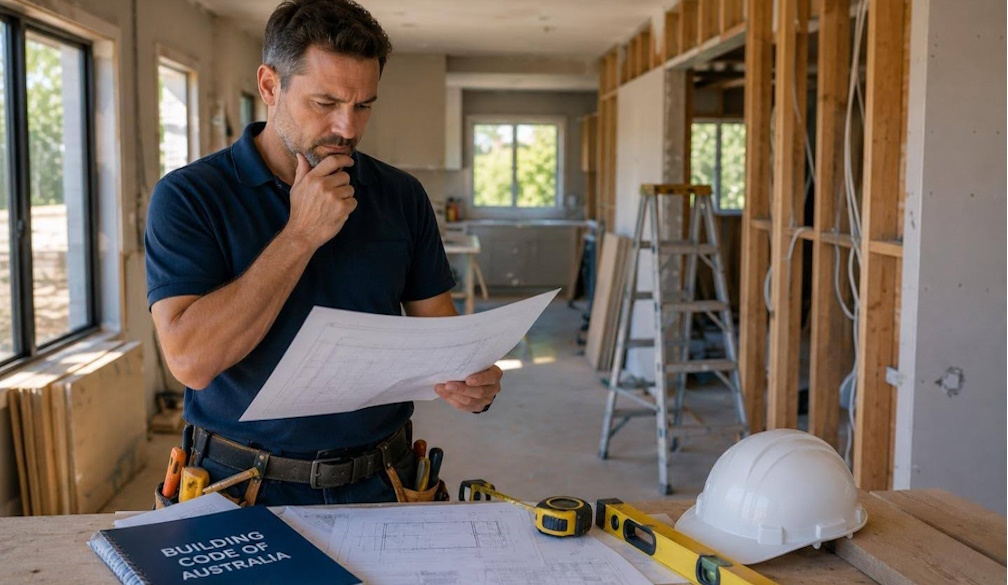
Home renovations are an excellent way to improve comfort, increase property value, and make better use of your living space. Whether you're renovating a kitchen, extending your home, converting a garage, or adding a granny flat, careful planning is just as important as quality workmanship.
While many homeowners focus on layouts, finishes, and budgets, building compliance is often overlooked until a problem arises. Understanding the common mistakes people make before and during renovations can help keep your project on track while avoiding unnecessary delays and additional costs.
How to Keep Your Renovation Compliant From Start to Finish
Understand That Not Every Renovation Is the Same
Some renovation projects involve simple cosmetic improvements such as painting, replacing cabinetry, or installing new flooring. Others may involve structural changes, plumbing, electrical upgrades, or additions that require approvals before work begins.
Before starting any major renovation, take the time to understand what approvals may be required for your specific project. Seeking advice early is often far easier than trying to resolve compliance issues after work has already commenced.
Don't Underestimate Electrical Upgrades
Many homeowners assume electrical work only involves replacing lights or installing extra power points.
However, larger renovations often require more significant electrical upgrades, particularly if you're increasing the electrical load, relocating the switchboard, upgrading the consumer mains, installing a new electricity meter, or connecting a granny flat or home extension.
These types of projects often require an accredited Level 2 electrician Sydney, who is authorised to carry out specialised work involving the electricity network. Planning these requirements early helps avoid delays and ensures electrical work is completed safely and in accordance with applicable requirements.
Avoid Making Changes During Construction
One of the most common renovation mistakes is making major design changes after construction has already started.
Moving walls, changing layouts, relocating services, or altering structural components can affect approvals, increase costs, and delay the entire project.
Finalising your plans before construction begins gives builders and trades clear direction while reducing the likelihood of expensive variations later.
Keep Copies of Important Documentation
Good record keeping is an important part of any successful renovation.
Where applicable, keep copies of:
- Approved plans
- Engineering documentation
- Electrical certificates
- Product warranties
- Inspection reports
- Compliance certificates
Having organised documentation can make future renovations, property sales, insurance claims, and maintenance much easier.
Don't Ignore Previous Unapproved Building Work
If you're renovating an older home, it's worth understanding whether previous additions or alterations were completed with the appropriate approvals.
Garage conversions, enclosed patios, additional bathrooms, home extensions, and other structural changes completed by previous owners may require further investigation before new renovation work proceeds.
Identifying these issues early allows them to be addressed before they create complications later in the project.
Know When to Seek Compliance Advice
Sometimes homeowners discover compliance questions only after plans have been prepared or construction has already started.
In these situations, an experienced BCA consultant Sydney can assess existing or proposed building work, identify potential compliance concerns, and provide guidance on available approval pathways where required. They can also assist when previous building work has incomplete documentation or when completed works need to be assessed against relevant building requirements.
Seeking professional advice early often provides greater certainty and may help avoid unnecessary redesigns or delays later in the project.
Work With Experienced Professionals
Successful renovations rely on good communication between everyone involved.
Builders, designers, electricians, engineers, certifiers, and specialist consultants each play an important role in delivering a compliant and well-constructed project.
Choosing experienced professionals and involving them during the planning stage helps ensure potential issues are identified early, reducing the likelihood of costly surprises once construction is underway.
Good Planning Helps Deliver Better Renovation Outcomes
Building compliance should never be treated as an afterthought. Considering approvals, documentation, specialist trades, and compliance requirements from the beginning helps create a smoother renovation process while reducing unnecessary risks.
By planning carefully, engaging qualified professionals, and seeking expert advice whenever questions arise, homeowners can complete their renovations with greater confidence and enjoy the finished result knowing the project has been approached the right way from the start.


