

Buying a Puppy in Australia: A Mum's Checklist
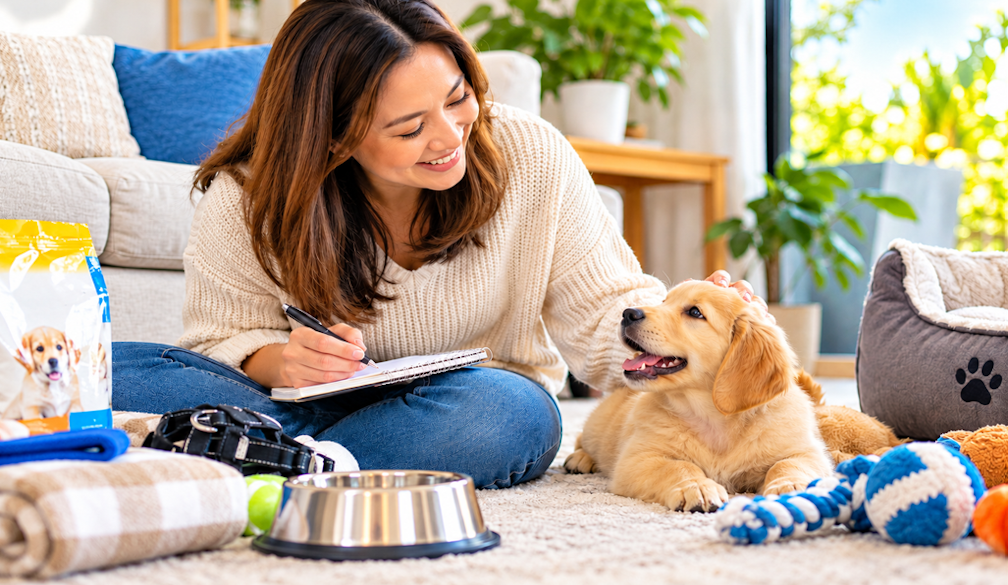
Like a new baby, a puppy involves much excitement, lots of decision and the early decisions can set the stage for 10 - 15 years. With children, school runs and finances to cope with, it is worth taking your time prior to making a deposit.
There are great and responsible puppy breeders in Australia. There are also puppy farms, online scams and too good to be true listings. This list is intended to assist you in distinguishing between the two.
1. Ask yourself the family questions first
Consider the following before considering a puppy:
- Time - Who is going to walk, train, clean up, and take the dog for walks when the excitement subsides?
- Lifestyle & Space - A Border Collie in an apartment with no yard is going to cause problems for both you and the dog.
- Young children - Toddlers and tiny puppies should be closely supervised around other children.
- Expenses - The initial cost is only the beginning. Consider boarding, training, vaccinations, vet visits, insurance, grooming and food.
- Long term commitment - A dog can live over 10 years. Are you prepared for that, especially if you have moving or newborns into the family?
2. Choose the right breed for your household
Temperament is as important as appearance. Common breeds that families tend to prefer are Labradors, Golden Retrievers, Cavalier King Charles Spaniels, and Cavoodles. However all dogs are individuals. Speak to owners of the breed that you desire and ask the breeder about the temperament of the parents with children, other dogs and visitors.
3. Meet the breeder, and the mum
A reputable breeder will always welcome you to view the puppy rearing environment. Look for the following:
- Puppies with their mother in a clean, home-type environment that is also comfortable for the mother and puppies.
- Meeting the dam (and if present the sire) - the dam should be well looked after, relaxed and in good health.
- If the puppies are delivered with "meet you in a car park" or if the breeder is completely against you viewing the puppies where they're raised, then find another breeder.
- A reputable breeder will ask you questions also - regarding your family, your home and your plans. A breeder who only wants a transaction and no further information should be avoided.
4. Ask for the paperwork
Proof over promises. Request the following;
- Microchip information. Most puppies must be microchipped prior to sale in most states. Some states also require a breeder identification number or microchip number to be listed on breeders advertising. Requirements vary between Queensland, Victoria, NSW and the other states. Research your state or local government for regulations.
- Veterinary information including health checks, worming, vaccinations etc.
- Health test results from parent dogs. Some breeds are prone to genetic diseases. Responsible breeders will test for these diseases. Find out what tests have been carried out and the results.
- A health or written guarantee or contract. This should outline the situation should a problem arise.
5. Verify the breeder before you pay
Anyone can build a good-looking website or post cute photos. Before you transfer a deposit, check the breeder is who they say they are.
Tools like the Verify Breeder tool from Responsible Pet Breeders Australia let buyers look up a breeder's registration. RPBA is a membership community rather than a government regulator, but its Code of Ethics is a handy benchmark: members agree to standards such as not keeping more than 10 un-desexed females. Still, no database replaces your own due diligence, so combine verification with a visit and a conversation.
6. Know the red flags
If any of the following stand out to you, be cautious:
- Very low prices for the same breed as commonly sold
- Pressure to pay a deposit because someone else is interested
- Payment by only cryptocurrency, wire transfer, or gift card
- Photos that look too perfect like from a stock photo site or that are used across multiple listings
- Selling multiple litters or multiple breeds at once with no explanation
- Selling puppies under 8 weeks of age
- Avoid sellers who are evasive regarding health testing, parent information, or records for the puppy
Try a reverse image search on the photos of the puppies to see if they have been reused.
7. Don't take puppies home too early
Puppies need time with their mother and littermates to learn how to be dogs. A responsible breeder won't send a puppy home before eight weeks, and will often keep them a little longer to finish early vaccinations, socialisation and handling.
8. Plan for puppy's first weeks
Once you've found the right breeder, prepare before pick-up day:
- Book a vet check within the first few days.
- Set up a safe, quiet sleeping space and puppy-proof the house.
- Ask the breeder for the food your puppy is already eating so you can transition slowly.
- Line up puppy classes and a training plan early.
- Ask what support the breeder offers afterwards. Good breeders stay in touch, and the best will take the dog back if you can't keep it.
The takeaway
Finding the right dog shouldn't be a rushed decision. You need to take your time. It's about asking plenty of questions. It's about inspecting the papers. It's about following your intuition. A good breeder will be open to all of the above because their goal is the same as yours: a healthy, happy dog in a great home for the long term.


