

Top Tips To Import Cars To New Zealand From Australia Smoothly
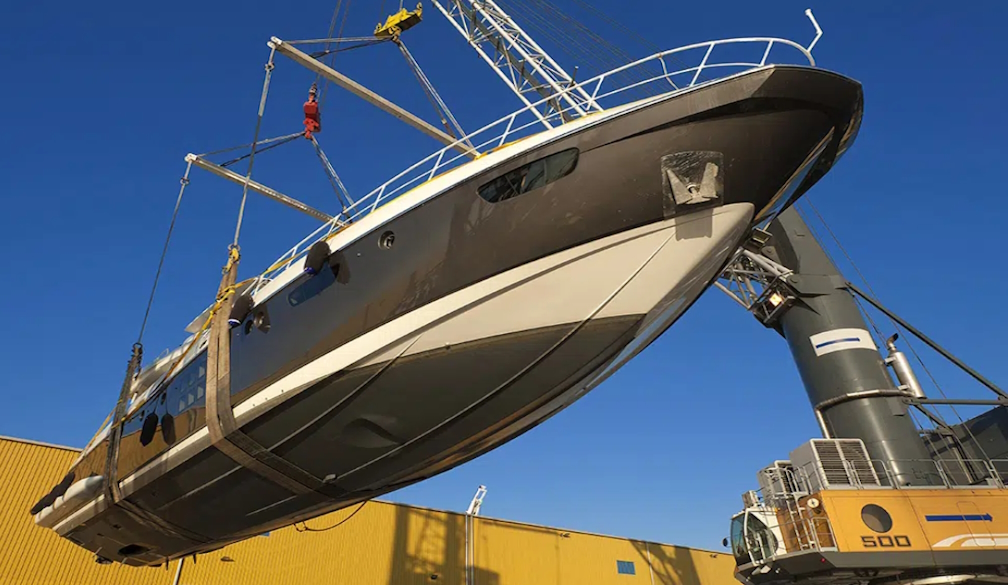
Shipping a vehicle across the Tasman Sea requires careful preparation to avoid costly delays. Many Australians relocating to Auckland or Kiwi expats returning home find that managing car imports to New Zealand from Australia is highly cost-effective compared to buying locally. However, the process involves strict biosecurity checks, customs duties, and compliance standards. Understanding these requirements beforehand ensures your vehicle arrives safely and ready for Kiwi roads. Whether you are shipping a family sedan, a vintage classic, or even coordinating complex logistics like yacht transport to Australia for a regional regatta, preparation remains the key to success. Here is a practical guide to help you manage your vehicle import project without any unnecessary stress.
Understanding Biosecurity and Cleaning Standards
New Zealand enforces some of the strictest biosecurity laws globally to protect its unique ecosystem. When preparing your vehicle for shipment, cleanliness is your highest priority. The Ministry for Primary Industries (MPI) inspects every single vehicle upon arrival. Any trace of soil, seeds, leaves, or insect nesting will result in your car being sent to a decontamination facility at your expense.
To prevent this, book a professional steam cleaning service before the vehicle is loaded onto the ship. This cleaning must cover the undercarriage, wheel arches, engine bay, and boot. Remove all personal belongings from the cabin, as loose items can attract quarantine flags and delay customs clearance.
This level of quarantine scrutiny is standard for all trans-Tasman maritime transport. For example, companies managing yacht transport to Australia must adhere to similarly stringent biofouling and cleaning protocols to protect marine environments. For your car, hiring an experienced shipping agent who understands MPI expectations can save you thousands of dollars in unexpected cleaning fees and storage charges at the port of entry. Ensure your shipping company provides a pre-shipment cleaning certificate to streamline the inspection process once the vessel docks.
Managing Customs, GST, and Valuation
Financial planning is another critical aspect of managing car imports to New Zealand from Australia. You must understand the taxes and duties applicable to your vehicle before it leaves the Australian port. New Zealand Customs charges a Goods and Services Tax (GST) of 15% on the landed value of the vehicle. This landed value includes the purchase price of the car, the cost of shipping, and the marine insurance premium.
However, you might qualify for a GST concession if you are moving to New Zealand permanently. To qualify as a settler, you must have owned and used the vehicle in Australia for at least 12 months before your departure, and you must agree not to sell the vehicle for at least two years after arrival.
Gathering your documentation early is essential to prove ownership duration and purchase price. You will need the original purchase receipt, registration documents from Australia, and a valid passport. If you regularly move high-value assets across the Tasman, such as organising international marine transport for seasonal events, you are likely familiar with these strict valuation methods. For cars, having an accurate valuation prevents customs authorities from applying their own estimates, which could result in a much higher tax bill than anticipated.
Ensuring Vehicle Compliance and Safety Standards
Meeting Emission and Frontal Impact Rules
Your vehicle must meet specific safety and emission standards before it can be registered for road use in New Zealand. The NZ Transport Agency (NZTA) regulates these standards strictly. Before booking your shipping container, verify that your vehicle model complies with New Zealand's frontal impact and exhaust emission standards. Most modern cars manufactured for the Australian market meet these requirements, but older models or modified vehicles require closer inspection.
The Entry Certification Process
Upon arrival, your vehicle must go through an entry certification process at an authorised compliance centre. An inspector will check the car's structural integrity, seatbelts, brakes, and overall roadworthiness. If your vehicle has any history of structural repairs or water damage, you must provide comprehensive repair certificates from licensed Australian workshops.
Without this documentation, the vehicle may fail compliance, leaving you with an expensive, unregistrable asset. Just as vehicle imports to New Zealand require meticulous compliance checks, any heavy machinery or marine transport requires specialised certification before operation. Checking the NZTA database or consulting a registered compliance specialist before shipping ensures your vehicle meets all structural standards, allowing you to obtain your new Kiwi registration plates without delay.
Choosing the Right Shipping Method
Roll-on/Roll-off (RoRo) Shipping
Selecting the appropriate transit method directly impacts both your budget and the safety of your vehicle. The most common and cost-effective method is Roll-on/Roll-off (RoRo) shipping. With RoRo, your car is driven onto a specialised vessel at the Australian port and driven off at the New Zealand destination. This method is highly efficient for standard passenger cars that are in running condition.
Containerised Shipping Options
If you own a classic, luxury, or non-running vehicle, container shipping is the safer alternative. You can choose between a sole-use container or a shared container. While container shipping is more expensive than RoRo, it provides maximum protection from the elements and physical damage during the sea voyage.
When choosing a logistics provider, look for companies that specialise in trans-Tasman vehicle relocations. Experienced freight forwarders understand the nuances of trans-Tasman shipping, from port schedules to local customs contacts. They can advise you on the best departure ports, such as Brisbane, Sydney, or Melbourne, and coordinate the entire process from your Australian driveway to the New Zealand compliance depot.
Conclusion
Importing your vehicle across the Tasman does not have to be an overwhelming process. By prioritising thorough biosecurity cleaning, understanding your GST obligations, and verifying NZTA compliance before shipping, you can ensure a seamless transition. Choosing the right shipping method and partnering with an experienced logistics provider will protect your investment and save you from unexpected port fees. Whether you are managing car imports to New Zealand from Australia or coordinating specialised freight like yacht transport to Australia, careful planning is the foundation of a successful journey. Take the time to prepare your documentation and clean your vehicle thoroughly, and you will be driving on New Zealand's scenic roads in no time.


