

Residential Epoxy Flooring vs Tiles: Which Is Better?
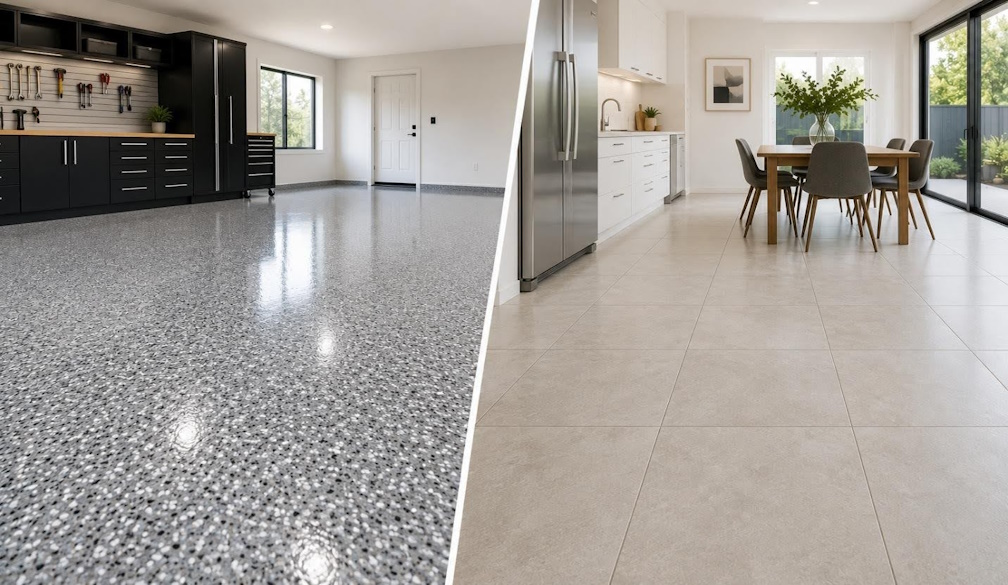
When choosing flooring for your home, it's easy to focus on appearance alone. However, durability, maintenance, safety, and long-term value are just as important, particularly in high-traffic or utility areas.
Two popular options for residential spaces are epoxy flooring and tiles. While both have their advantages, the right choice often depends on how the space will be used and the level of maintenance you're prepared to undertake.
Understanding the differences can help you make a more informed decision before investing in new flooring.
Comparing Epoxy Flooring and Tiles for Residential Homes
Appearance and Design
Tiles have long been a popular choice because they're available in a huge range of colours, textures, and patterns. They can complement almost any interior style and work well in kitchens, bathrooms, and living areas.
Residential epoxy flooring has also evolved significantly in recent years. Modern epoxy coatings are available in a variety of colours and finishes, including decorative flake systems, metallic effects, and seamless gloss or satin finishes. This gives homeowners the flexibility to achieve a clean, contemporary appearance in garages, workshops, patios, laundries, and other residential spaces.
Durability
One of the biggest advantages of epoxy flooring is its durability.
Professionally installed epoxy flooring creates a seamless surface that resists heavy foot traffic, impacts, abrasions, and many household chemicals. This makes it particularly well suited to areas where vehicles, tools, bicycles, or heavy equipment are regularly used.
Tiles are also durable, but individual tiles can crack or chip if heavy objects are dropped. If damage occurs, replacing individual tiles may be necessary to restore the floor's appearance.
Cleaning and Maintenance
Maintenance requirements differ considerably between the two flooring options.
Tiles generally require regular cleaning of both the tile surface and the grout lines. Over time, grout can become stained or discoloured and may require specialised cleaning or resealing.
By comparison, seamless residential epoxy flooring has no grout lines, making dirt, dust, and spills much easier to clean. Many homeowners appreciate its low-maintenance nature, particularly in busy households where practicality is just as important as appearance. A professionally installed epoxy floor also creates a clean, modern finish that continues to perform well for many years with minimal upkeep.
Moisture Resistance
Moisture resistance is an important consideration for many areas around the home.
Bathrooms, laundries, garages, workshops, and covered outdoor spaces are regularly exposed to water or humidity.
When installed correctly, epoxy flooring forms a seamless surface that helps resist moisture penetration and is easy to wipe clean. Tiles themselves are generally water resistant, but grout joints may require ongoing maintenance to prevent staining, mould growth, or deterioration over time.
The most suitable flooring option will often depend on the specific room and how it's used.
Installation Considerations
Both flooring systems benefit from proper preparation before installation.
Tile installation generally involves laying individual tiles, allowing adhesives to cure, and completing grout work before the area is ready for use.
Epoxy flooring requires thorough surface preparation, including cleaning and repairing the concrete where necessary before multiple coating layers are applied. While preparation is critical, the finished result is a seamless floor with no joints or grout lines.
Choosing experienced installers helps ensure either flooring system performs as intended for many years.
Cost Comparison
Budget is often one of the biggest considerations when selecting new flooring.
Tiles generally have a lower upfront cost, particularly for standard products, although premium tiles and complex installation can increase the overall investment. Epoxy flooring may involve a higher initial installation cost due to the preparation required, but many homeowners consider this worthwhile because of its durability, low maintenance, and long service life.
Looking beyond the purchase price and considering ongoing maintenance and expected lifespan can provide a better understanding of the overall value each flooring option offers.
Which Rooms Are Best Suited to Epoxy Flooring?
While tiles remain a popular choice for kitchens, bathrooms, and living areas, epoxy flooring is becoming increasingly common throughout residential properties.
Homeowners often choose epoxy flooring for:
- Garages
- Workshops
- Laundries
- Home gyms
- Utility rooms
- Covered outdoor entertaining areas
- Storage rooms
Its seamless finish, durability, and resistance to stains and moisture make it particularly well suited to these high-use spaces.
Long-Term Value
When comparing long-term value, it's important to consider more than just the initial installation cost.
Durability, maintenance requirements, cleaning, and expected lifespan all contribute to the overall value of your flooring investment.
Many homeowners choose residential epoxy flooring for garages, workshops, patios, and utility areas because of its combination of durability, stain resistance, and low maintenance. Professionally installed epoxy flooring is available in a wide variety of colours and finishes, allowing homeowners to select a surface that suits both the practical use of the space and the overall style of their home.
Investing in the right flooring from the beginning often reduces maintenance costs while helping preserve the appearance and functionality of the space for years to come.
Which Option Is Right for Your Home?
There isn't a single flooring solution that suits every room.
Tiles remain an excellent option for many internal living spaces where decorative finishes are the priority.
Epoxy flooring is often preferred in areas where homeowners want:
- High durability
- Low maintenance
- Easy cleaning
- Resistance to stains and chemicals
- A seamless modern appearance
Many homes successfully combine both flooring types, using each where it performs best.
Choosing Flooring That Suits Your Lifestyle
Both epoxy flooring and tiles offer excellent benefits, and the right choice depends on your home's design, lifestyle, budget, and how each space will be used.
Curtains of style may change over time, but practical flooring remains an investment that continues to deliver value for many years. By considering durability, maintenance, moisture resistance, appearance, installation requirements, and long-term costs, homeowners can confidently choose a flooring solution that complements both their home and the way they live. Taking the time to compare your options before installation will help ensure your investment continues to perform well long into the future.


